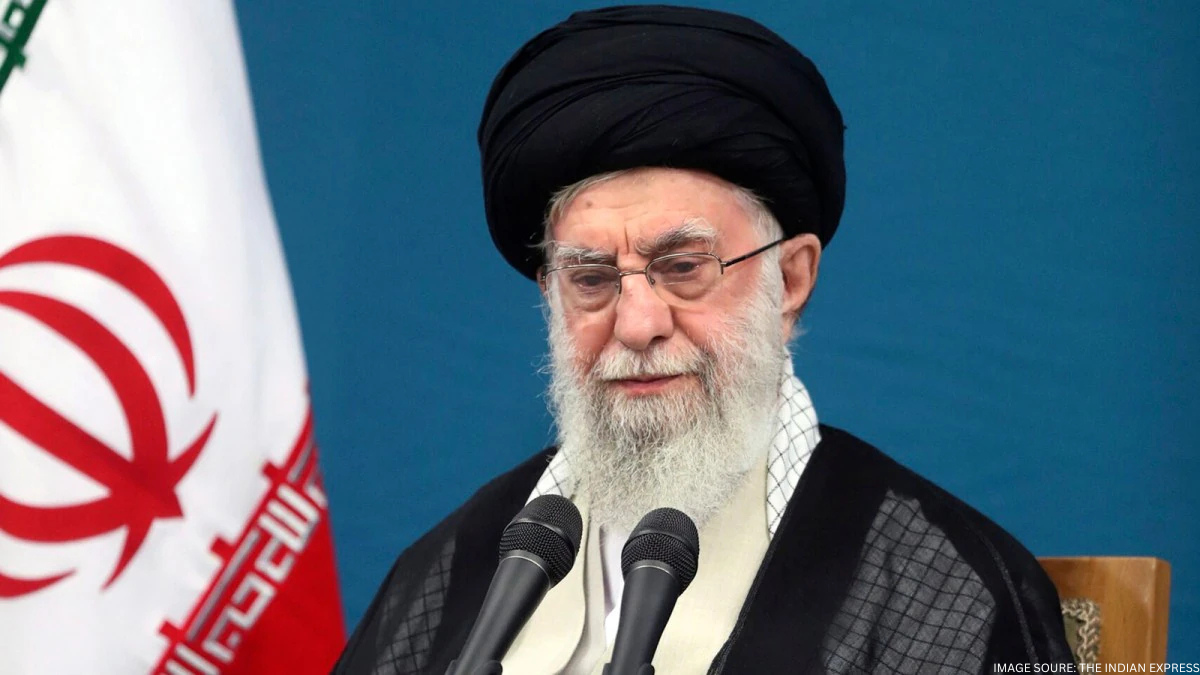
Middle East on Edge After Death of Ayatollah Khamenei: Conflict Escalates as Iran Vows Retaliation
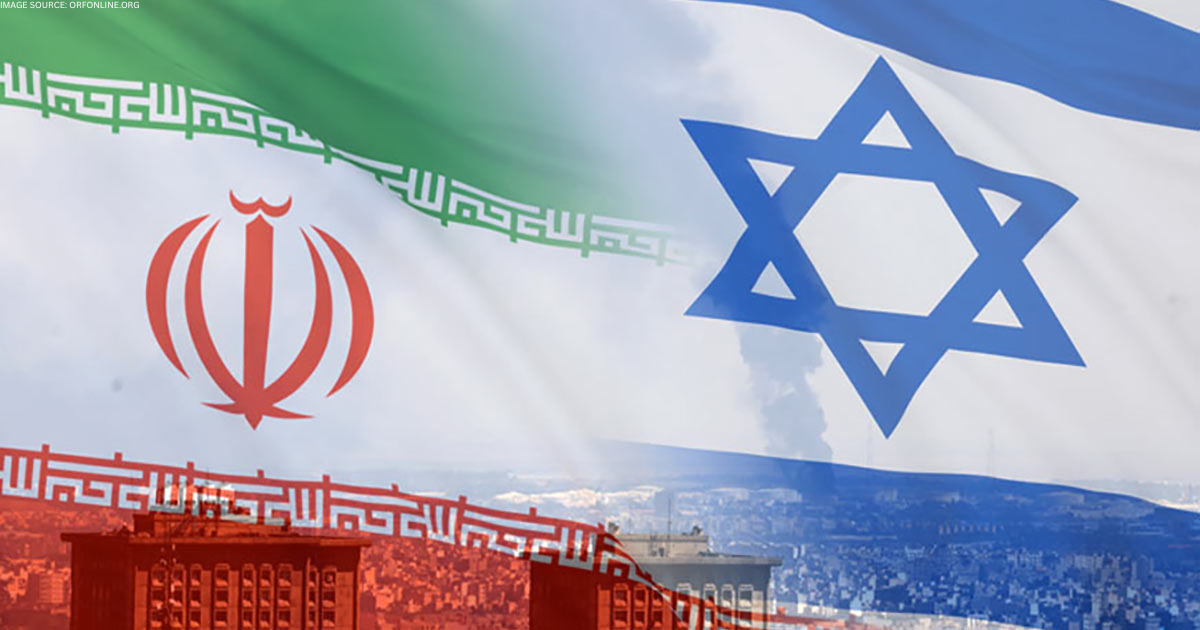
The Middle East is facing one of the most volatile and consequential crises in recent history after joint United States–Israel military strikes targeted and killed Ayatollah Ali Khamenei, the Supreme Leader of Iran, marking a dramatic escalation in regional tensions and igniting fears of a broader war that could reshape global geopolitics. (Reuters)
Massive Military Strikes Trigger Escalation Across the Region
On February 28, 2026, coordinated military operations by the U.S. and Israel struck multiple strategic locations across Iran, including Khamenei’s secure compound in Tehran, in what leaders described as a decisive action against Tehran’s nuclear ambitions and its network of regional proxies. Within hours, Iranian state media and international officials confirmed that Ayatollah Ali Khamenei, aged 86 and the nation’s highest authority since 1989, was killed in the attacks — a report that was later confirmed by Iranian authorities and widely reported by global news outlets. (Reuters)
The strikes that led to his death marked a turning point in the long-standing Iran–Israel proxy conflict, escalating direct confrontation between these nations and their allies. Explosions were reportedly heard in major Iranian cities, and significant damage was inflicted on military command centers, nuclear infrastructure sites, and key Revolutionary Guard facilities. (The Guardian)
40 Days of Mourning and a Nation in Shock
Following the confirmation of Khamenei’s death, Iran declared 40 days of national mourning, a period steeped in religious ritual and political sombre reflection. President Masoud Pezeshkian condemned the strikes as a “great crime” and emphasized that Iran would retaliate against its adversaries. State television also reported that several high-ranking officials and even members of Khamenei’s own family were killed in the operation. (Al Jazeera)
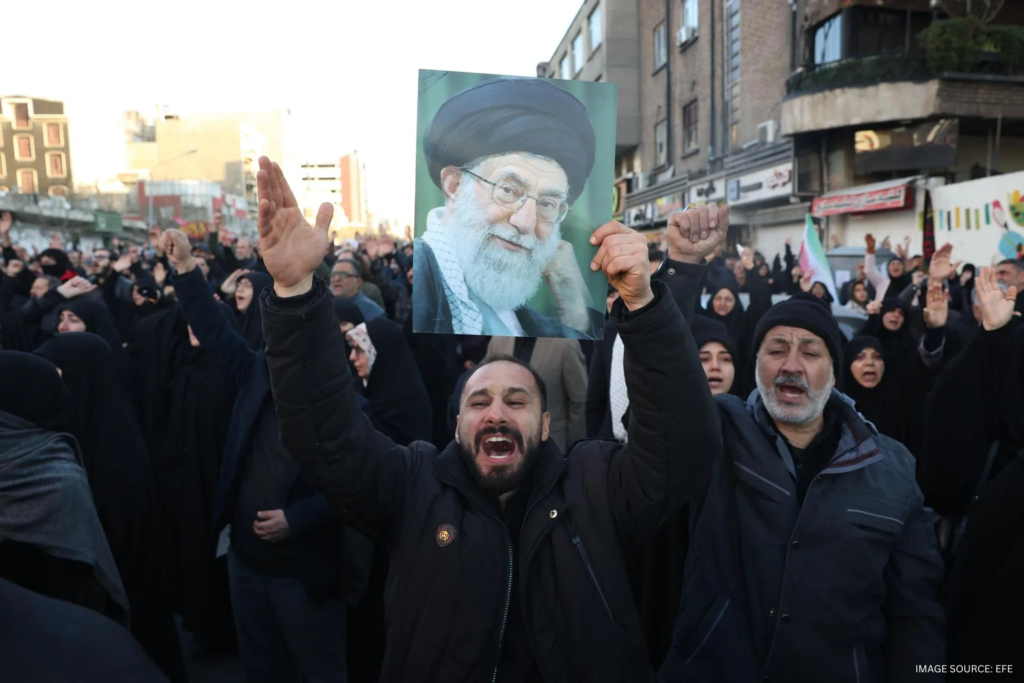
In Tehran’s Enghelab Square, thousands of mourners gathered to pay tribute, displaying portraits of the slain supreme leader and calling for unity against what they described as Western aggression. (Al Jazeera)
Interim Leadership and Constitutional Transition
With the sudden loss of the supreme leader, Iran swiftly moved to form a transitional governance structure. A three-member leadership council was established, comprising cleric Ayatollah Alireza Arafi, President Masoud Pezeshkian, and the Chief Justice, to manage state affairs until the constitutionally mandated Assembly of Experts selects a new supreme leader. (Al Jazeera)
Senior security official Ali Larijani also stated that Iran is navigating this leadership shift amid intensifying conflict, underscoring Tehran’s determination to maintain sovereignty and resist what it views as external interference. (mint)
Iran’s Fierce Retaliation and Regional Spread of Conflict
Retaliation was swift and widespread. The Islamic Revolutionary Guard Corps (IRGC) vowed “the most ferocious operation in history” against U.S. and Israeli forces, signaling a dangerous expansion of hostilities. Missile and drone attacks were reported targeting Israeli cities — including Tel Aviv — and U.S. military bases in Gulf countries such as Iraq, Kuwait, and Bahrain. Explosions were also reported in Gulf cities including Doha and Dubai, raising alarms among regional governments and global markets. (The New Indian Express)
The escalation has disrupted air traffic, sparked energy market volatility, and prompted urgent international calls for de-escalation from global leaders and organizations, including the United Nations. (The Guardian)
Global Reactions and Concerns
The international reaction has been mixed. While U.S. and Israeli leaders framed the strikes as a necessary step to curtail Tehran’s nuclear threat, major powers such as Russia condemned the operation as a “cynical murder” that violated international law. World leaders have warned that the conflict could spiral into a wider regional or even global confrontation if diplomatic measures fail. (Al Jazeera)
Legacy of Ayatollah Ali Khamenei
Khamenei, who rose to power after the 1979 Islamic Revolution and succeeded Ayatollah Ruhollah Khomeini, ruled Iran with absolute authority for over three decades. His leadership shaped Tehran’s foreign policy, including steadfast opposition to U.S. influence, support for proxy militias like Hezbollah and Hamas, and tense standoffs with regional rivals. He leaves behind a deeply divided nation and a region fraught with instability. (AL-Monitor)
A Region at a Crossroads
As Iran mourns and the world watches anxiously, the Middle East stands at a crossroads. What began as targeted strikes against Iran’s top leadership has now ignited full-scale retaliation, multiplied geopolitical risks, and challenged the global community’s ability to prevent further bloodshed.
The death of Ayatollah Khamenei and the ensuing waves of violence have not just redrawn power equations within the Middle East — they have also amplified concerns over global peace, security, and economic stability for years to come. In these uncertain times, diplomatic engagement and efforts toward de-escalation remain more critical than ever. (apnews.com)

Post Comment