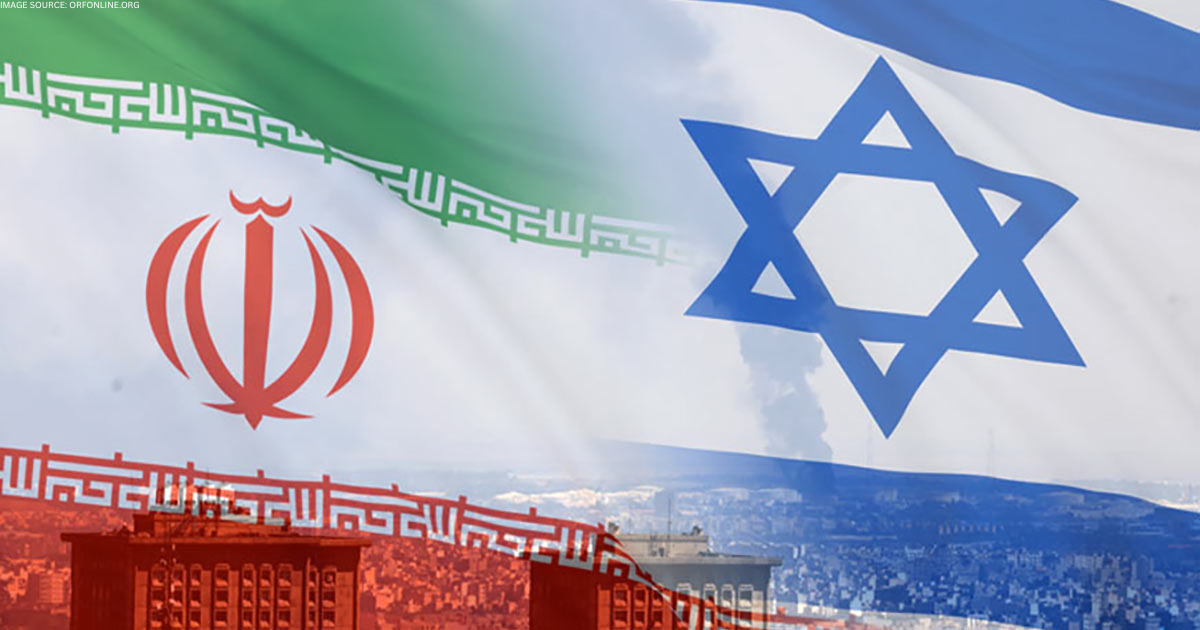
Middle East on Edge: Israel–Iran Conflict Escalates, Raising Fears of a Wider Regional War
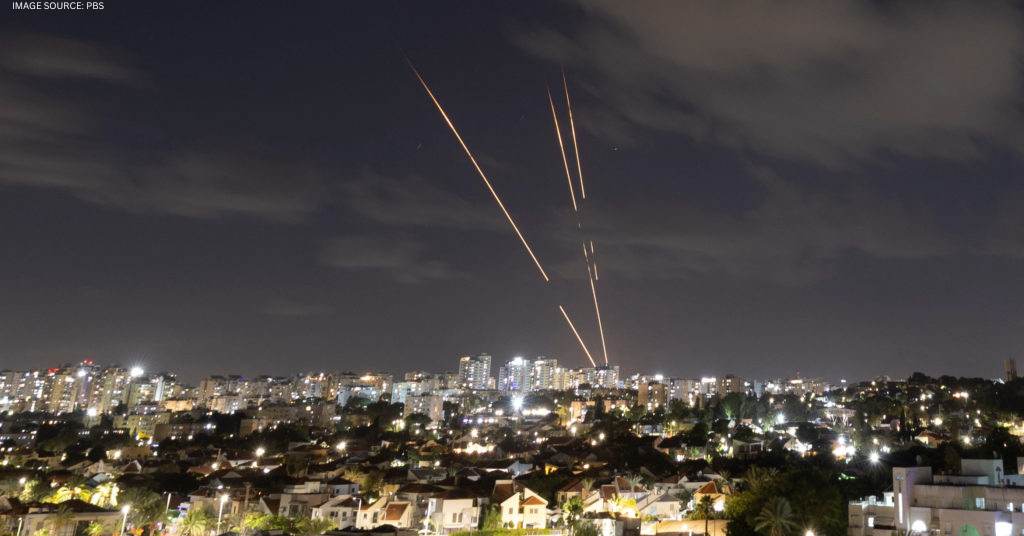
The Israel–Iran conflict has entered a dangerous new phase, pushing the Middle East closer to a broader regional war. Rising military tensions between Israel and Iran, combined with the involvement of armed groups across the region, have intensified fears of instability, economic disruption, and humanitarian crises.
What began as shadow warfare and proxy confrontations has now turned into more direct and visible military exchanges. Missile strikes, drone attacks, and threats of retaliation have become frequent headlines, keeping the global community on alert.
Escalating Military Tensions
Israel has repeatedly accused Iran of backing armed groups that threaten its security, particularly Hezbollah in Lebanon and Hamas in Gaza. In response to alleged threats and rocket attacks, Israel has carried out targeted airstrikes on positions it claims are linked to Iranian forces or their allies in Syria and beyond.
Iran, on the other hand, has warned that any direct attack on its territory will be met with a strong and immediate response. Iranian officials have condemned Israeli operations as violations of sovereignty and regional stability. This cycle of action and retaliation has created a volatile security environment across the Middle East.
Military analysts say the risk of miscalculation is extremely high. A single large-scale strike or civilian casualty event could trigger a rapid escalation into a full-scale war involving multiple countries.
Impact on Other Middle East Countries
The conflict is no longer limited to Israel and Iran. Neighboring countries are increasingly drawn into the crisis. Lebanon remains tense due to cross-border exchanges between Israeli forces and Hezbollah. In Syria, Israeli airstrikes targeting Iranian-linked sites have raised concerns about broader instability.
Meanwhile, Gulf nations are closely monitoring the situation. Countries like Saudi Arabia and the United Arab Emirates are urging restraint, fearing that an expanded war could threaten oil production, trade routes, and regional security. The Strait of Hormuz, a key global oil transit route, remains a strategic flashpoint.
The humanitarian situation is also worsening. Civilians in border areas face displacement, infrastructure damage, and uncertainty about their safety. International aid organizations have expressed concern over potential refugee flows if the conflict spreads further.
Global Repercussions and Oil Prices
The Israel–Iran war tensions are not just a regional issue; they carry global consequences. International markets have already reacted to the instability, with oil prices showing volatility due to fears of supply disruption. Energy security has once again become a central global concern.
Major powers, including the United States and European nations, are actively engaging in diplomatic efforts to prevent a wider Middle East war. Calls for de-escalation, ceasefire agreements, and renewed dialogue have intensified at international forums.
Diplomatic Efforts and the Path Forward
Diplomatic backchannels are reportedly active, though public rhetoric remains strong on both sides. Regional organizations and global powers are attempting to mediate and prevent the situation from spiraling out of control.
Experts believe that sustainable peace will require addressing deeper issues, including Iran’s regional influence, Israel’s security concerns, and the broader geopolitical rivalry shaping the Middle East. Without meaningful dialogue, the risk of prolonged conflict remains high.
A Region at a Crossroads
The current Israel–Iran war situation represents one of the most serious security challenges in the Middle East in recent years. With rising military tensions, involvement of proxy groups, and global economic implications, the stakes are enormous.
As the world watches closely, the hope remains that diplomacy will prevail over confrontation. However, until concrete steps toward de-escalation are taken, the Middle East continues to stand on the edge of a potentially devastating regional war.


Post Comment