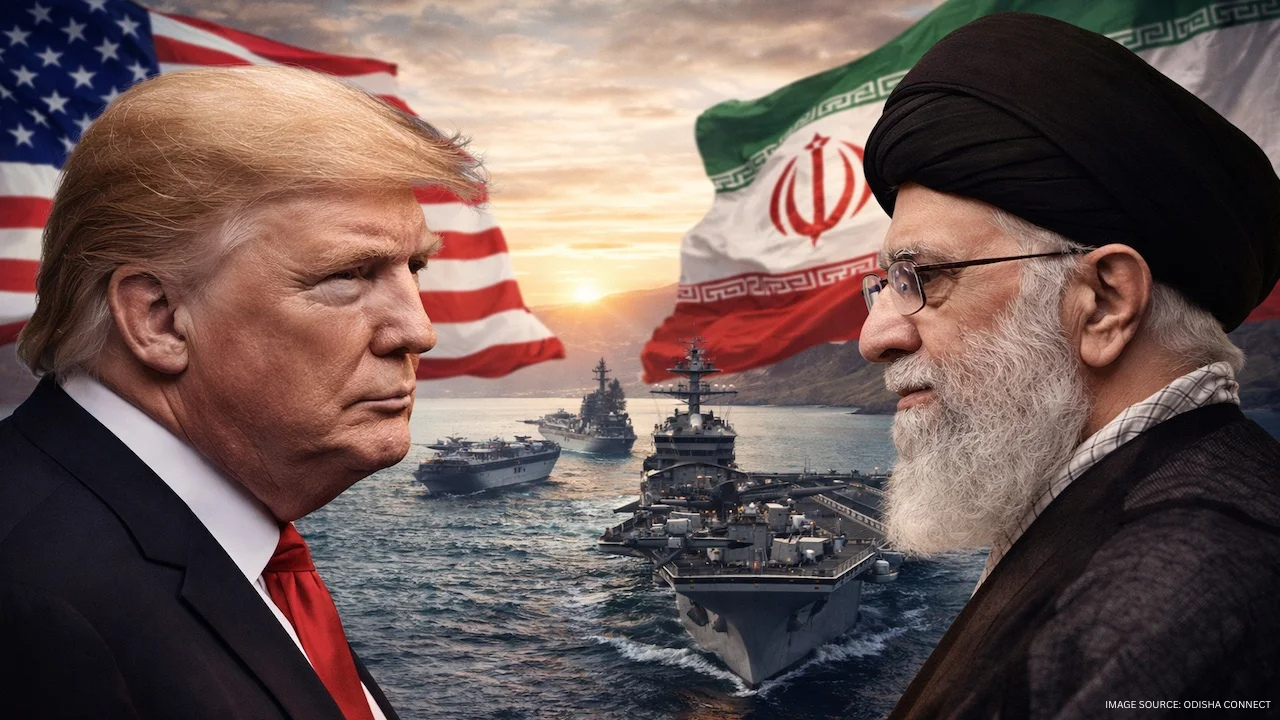
Hormuz Showdown: Us Warships Make Bold Move Amid Iran War Tensions
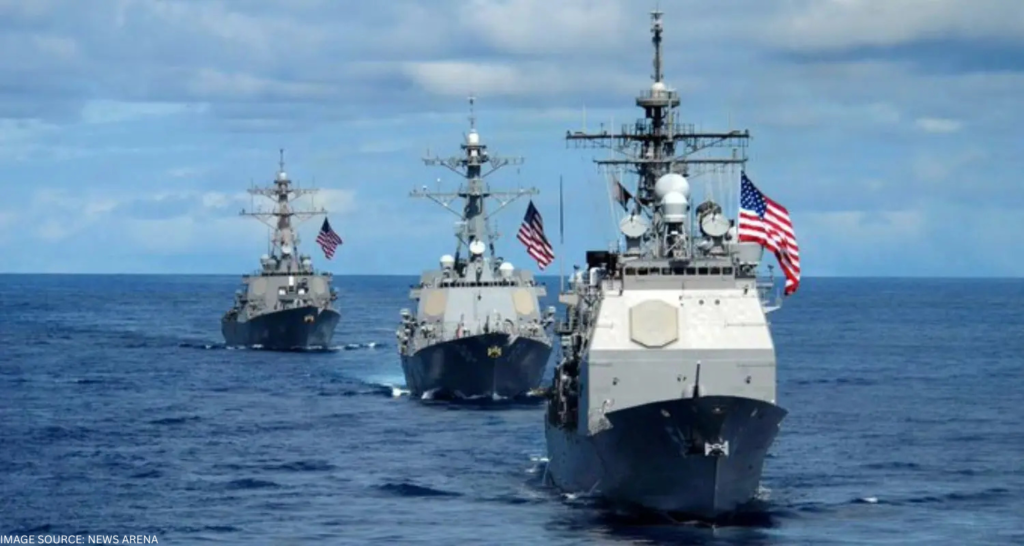
In a dramatic escalation with global implications, two United States Navy warships have crossed the strategically vital Strait of Hormuz for the first time since the outbreak of the Iran war, signaling a major shift in military posture and raising fresh concerns across global energy markets.
The transit, confirmed by U.S. officials, involved advanced guided-missile destroyers navigating the narrow and highly volatile waterway—long considered one of the world’s most critical oil transit chokepoints.
Why This Move Matters Now
The Strait of Hormuz handles nearly 20% of global oil shipments, making it a lifeline for international trade and energy security. Since the war began in late February 2026, Iran has effectively restricted access to the strait, triggering a sharp rise in oil prices and global economic uncertainty.
This latest U.S. naval operation marks the first direct military transit through the strait since hostilities erupted, signaling Washington’s intent to challenge Iran’s control and restore freedom of navigation.
The move comes amid a fragile ceasefire and ongoing diplomatic negotiations between the U.S. and Iran, mediated in Pakistan.
Inside the Naval Operation
According to U.S. Central Command, the warships entered the Persian Gulf from the Arabian Sea and later exited through the same route—demonstrating operational capability without direct confrontation.
Officials described the mission as a “freedom of navigation” operation, aimed at reassuring global shipping companies and signaling that the waterway can still be used safely.
Additionally, the U.S. military has begun efforts to clear sea mines from the region, which have been a major deterrent for commercial vessels.
Iran’s Reaction: Threats but No Action
Iran responded sharply, warning that any unauthorized movement through the strait could be seen as a violation of the ceasefire. Iranian authorities reportedly threatened retaliation within minutes if U.S. ships advanced further.
Despite the warnings, no direct military confrontation occurred, and the ships completed their transit without incident.
This tense restraint highlights the delicate balance both sides are trying to maintain while negotiations continue.
Global Impact: Oil, Trade & Tensions
The geopolitical stakes surrounding the Strait of Hormuz cannot be overstated. The waterway is crucial not only for oil exports from the Middle East but also for global supply chains.
- Oil prices have surged close to $100 per barrel
- Shipping traffic remains far below normal levels
- Insurance costs for vessels have skyrocketed
Even after the ceasefire, only a handful of ships are passing daily—compared to over 100 before the conflict—indicating continued uncertainty and fear among global shipping operators.
Diplomacy vs Military Pressure
The warship transit coincides with high-stakes peace talks between the U.S. and Iran—the first such engagement in decades. Key issues include:
- Control over the Strait of Hormuz
- Security guarantees for shipping
- Iran’s nuclear program
- War reparations
While the U.S. pushes for open maritime access, Iran continues to assert its dominance over the region, making negotiations complex and fragile.
What Happens Next?
This bold naval maneuver could be a turning point. If more ships follow, it may gradually restore confidence in the strait. However, any miscalculation could trigger a wider conflict, impacting not just the Middle East but the global economy.
For now, the world watches closely as diplomacy and military strategy unfold side by side in one of the most volatile regions on Earth.


Post Comment