Ground War on the Horizon? U.S. Rushes 57,000 Troops Toward Iran as Middle East Crisis Explodes
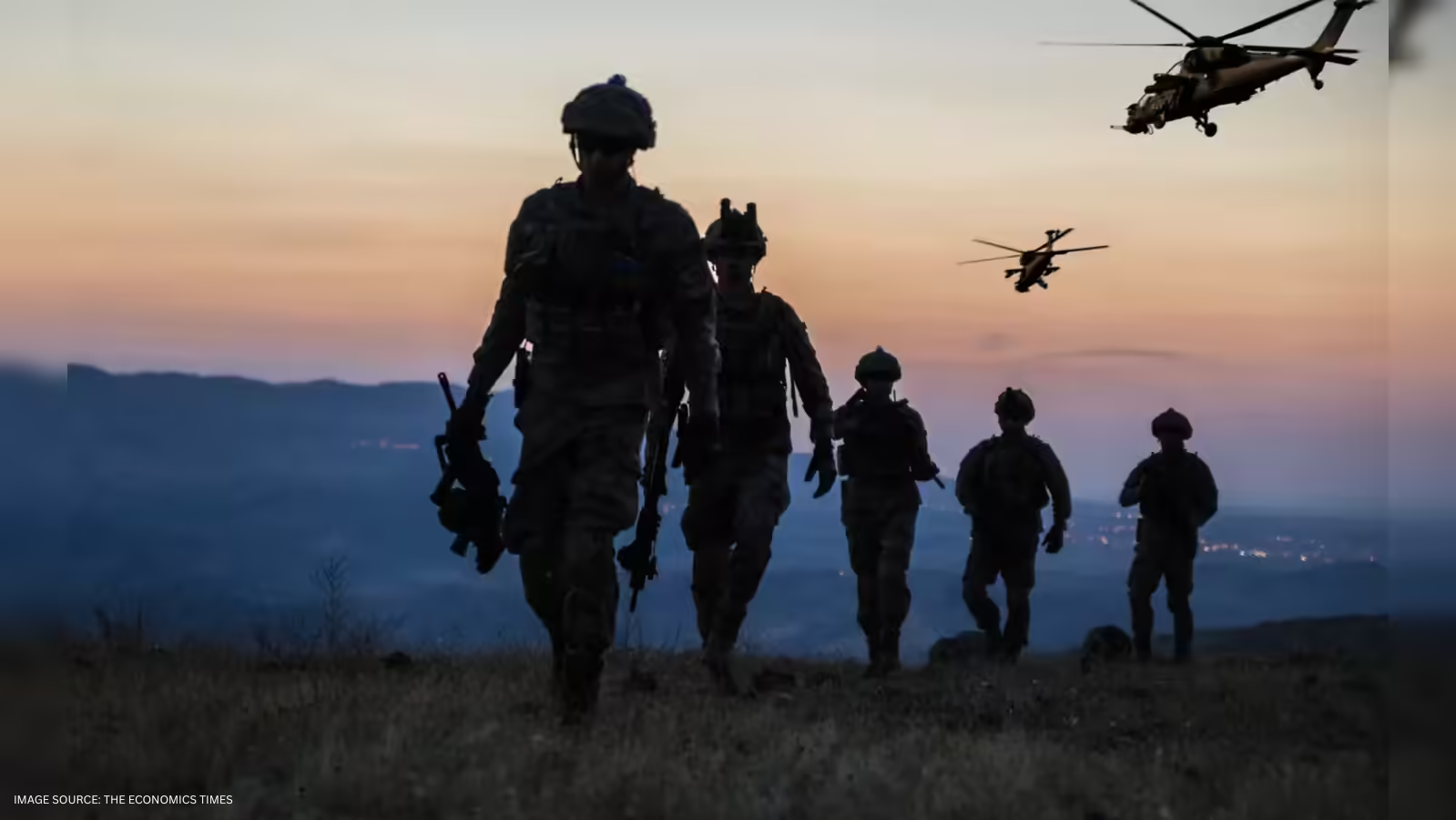
The possibility of a full-scale ground war in the Middle East moved dramatically closer on Tuesday as the United States accelerated one of its biggest military buildups in decades, rushing nearly 57,000 troops and support personnel into the region amid the rapidly escalating conflict with Iran.
According to U.S. defense officials, thousands of additional paratroopers from the 82nd Airborne Division, Marines aboard the USS Tripoli, naval strike groups, and support units have either arrived or are now moving toward key positions around the Persian Gulf and the Strait of Hormuz. The move comes as Washington weighs whether to expand its current military campaign beyond airstrikes and naval operations.
Officials in Washington have not formally confirmed that an invasion of Iran is imminent. However, military planners are reportedly examining several scenarios, including operations to secure Iran’s nuclear sites, protect oil shipping lanes, and possibly seize the strategically vital Kharg Island, through which nearly 90 percent of Iran’s oil exports pass.
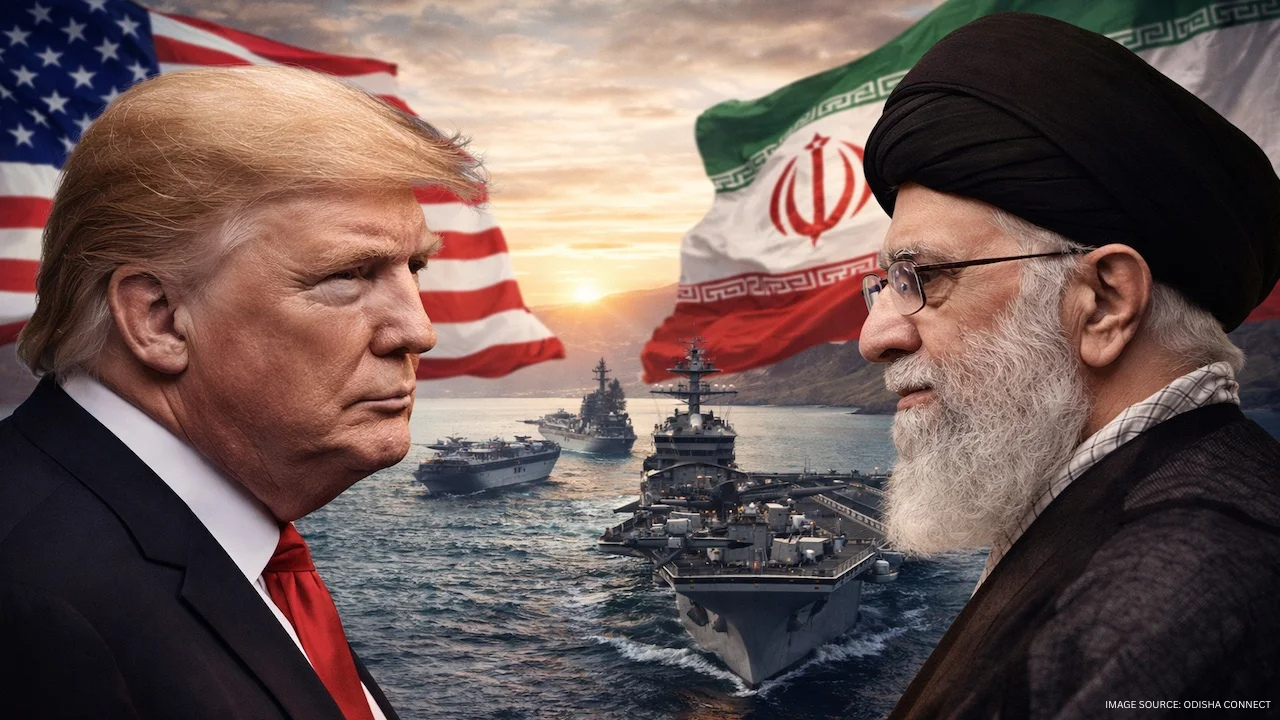
The largest “players” in this crisis are now clearly emerging:
- Donald Trump has taken the most aggressive position, refusing to rule out the use of ground troops while insisting that Iran “can never possess a nuclear weapon.”
- Marco Rubio has backed a hardline approach, saying the U.S. must remain prepared for “multiple contingencies.”
- Mohammad Bagher Ghalibaf warned that any American invasion would be met with “rain of fire” from Iranian forces.
- 82nd Airborne Division and the USS Tripoli have emerged as the frontline military assets leading the U.S. deployment.
Troop Surge Signals Possible Ground Operation
The U.S. already had roughly 50,000 troops stationed across the Middle East before the latest escalation. With new deployments arriving from bases in North Carolina, the Pacific, and the Mediterranean, analysts estimate the total American military footprint in the region could soon exceed 57,000 personnel.
The strongest “performance” so far in military terms has come from the U.S. rapid-response units. Pentagon sources say:
- Around 3,500 Marines and sailors aboard the USS Tripoli have entered the region.
- Nearly 2,000 elite paratroopers from the 82nd Airborne have been deployed.
- Another 10,000 troops are reportedly under consideration if the crisis deepens.
- More than 11,000 U.S. airstrikes have already been launched since the conflict began in late February.
If the troop buildup is treated like a scoreboard, the current numbers stand at:
| Side | Troops / Military Strength Mobilized |
|---|---|
| United States and allies | Approximately 57,000 troops in the region |
| Iran and affiliated forces | More than 1 million personnel claimed by Tehran and the IRGC |
Iran has responded with a massive mobilization of its own. Iranian officials claim more than one million fighters, including members of the Islamic Revolutionary Guard Corps and reserve units, are prepared to resist any American advance.
Why Kharg Island Matters
Military experts say the most likely first target of any American ground mission would be Kharg Island. Located in the Persian Gulf, the island is the heart of Iran’s oil economy and one of the world’s most strategically important energy hubs.
If U.S. troops seize the island, Washington could cripple Iran’s oil exports almost instantly. But the risk is enormous. Iranian missiles, drones, mines, and coastal defenses make Kharg one of the most dangerous battlefields in the world.
Former commanders have warned that even 17,000 U.S. troops would struggle to hold the island against sustained Iranian attacks. One analyst described any American soldiers stationed there as “sitting ducks.”
Oil Prices, Global Markets and Regional Fallout
The growing threat of a U.S.–Iran ground war is already sending shockwaves through the global economy. Fears that the Strait of Hormuz could be blocked have pushed oil prices sharply higher, while investors worry that the conflict could spread to Iraq, Syria, Lebanon and the Gulf states.
Iran-backed groups in Yemen and Lebanon have already widened the conflict, launching missile and drone attacks against Israel and U.S. interests in the region. Meanwhile, several Gulf countries have increased security around military bases and oil facilities.
For now, Washington insists diplomacy is still possible. But with thousands of troops arriving, warships massing in the Gulf, and Iran threatening retaliation, the Middle East appears closer to a major ground war than at any point in recent years.
Whether the next move is diplomacy or invasion may depend on what happens in the coming days. But one thing is certain: the world is watching, and the stakes could not be higher.



Post Comment