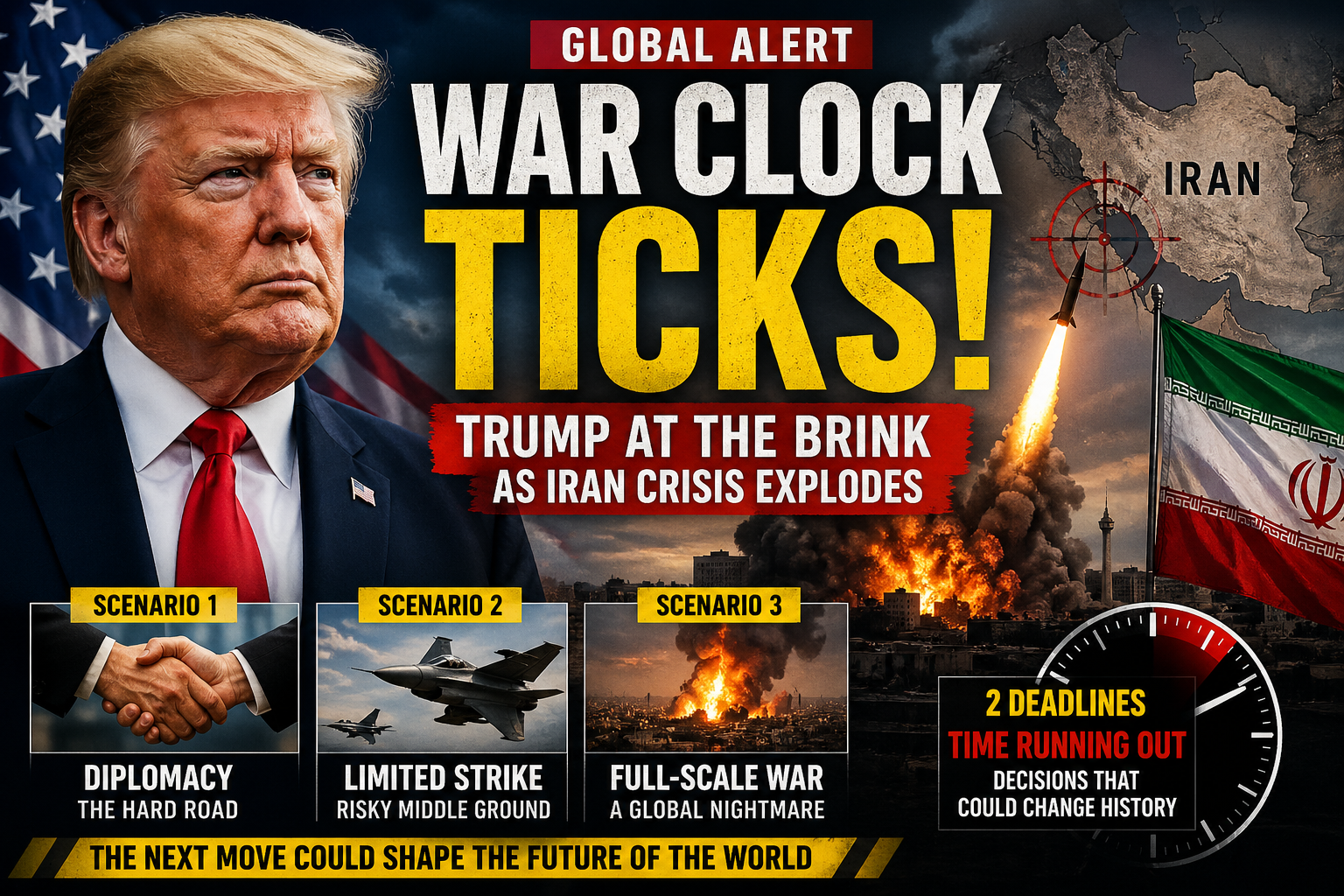
WAR CLOCK TICKS: Trump at the Brink as Iran Crisis Explodes
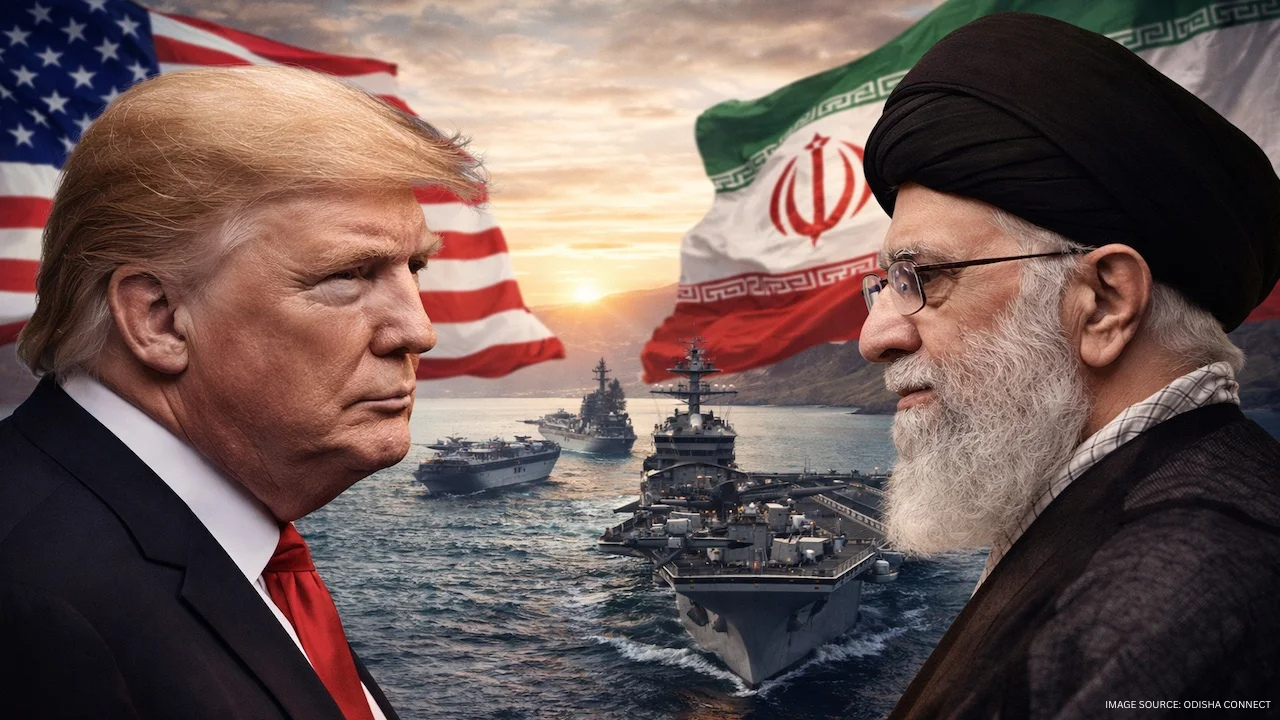
The global stage feels unusually tense again—and at the center of it is Donald Trump, staring down what many are calling a defining geopolitical moment. With rising tensions around Iran, shifting military postures, and hard deadlines looming, this situation is no longer just political rhetoric—it’s a potential turning point that could reshape global stability.
Let’s be clear: this isn’t just another Middle East standoff. The stakes feel heavier, the timelines tighter, and the consequences far more unpredictable.
A Crisis Built on Three Scenarios
Right now, analysts and insiders are pointing to three possible paths forward.
The first is de-escalation through diplomacy—the ideal scenario, but increasingly unlikely. With trust between Washington and Tehran already fragile, any meaningful negotiation would require concessions that neither side seems willing to offer publicly.
The second is a limited military response. This could involve targeted strikes or strategic operations meant to send a strong message without triggering full-scale war. Historically, this has been the “middle ground” approach—but even limited actions can spiral quickly, especially in such a volatile region.
And then there’s the third—and most feared—scenario: full-scale conflict. This would not just be a US-Iran issue. It could drag in regional powers, disrupt global oil supply chains, and send shockwaves through financial markets worldwide. From energy prices to stock indices, the ripple effects would be immediate and severe.
The Pressure of Two Deadlines
What makes this moment even more intense are the ticking deadlines. Sources suggest that decisions on sanctions, military readiness, and diplomatic positioning are all converging within a narrow time window.
Deadlines in geopolitics are rarely just about dates—they’re about leverage. Miss them, and you risk appearing weak. Act too soon, and you risk escalation.
Trump, known for his aggressive negotiation style, now faces a paradox. His brand has always been about strength and unpredictability. But in a situation like this, unpredictability can be both a weapon and a liability.
A Leadership Test Like No Other
Love him or hate him, Trump thrives in high-pressure scenarios. But this isn’t a business deal or a campaign rally. This is a potential war decision—one that could define not just his political legacy, but also America’s role on the global stage for years to come.
There’s also a domestic angle that can’t be ignored. Any move toward war will face scrutiny at home—economically, politically, and morally. American voters are more cautious about overseas conflicts than they were decades ago. At the same time, appearing indecisive carries its own risks.
From my perspective, this is where things get real. It’s easy to talk tough. It’s much harder to balance power, restraint, and long-term consequences when lives and global stability are on the line.
Why the World Is Watching Closely
This isn’t just about the US and Iran anymore. Countries across Europe, Asia, and the Middle East are watching every move. Oil markets are reacting. Defense analysts are on high alert. Even social media is flooded with speculation, fear, and misinformation.
Trending keywords like Iran War, Trump Iran Crisis, US Military Action, Middle East Conflict, and Global War Risk are dominating search engines—and for good reason. People sense that something big could happen.
The Point of No Return?
Are we really at a “point of no return”? Not yet—but we’re dangerously close.
The next few decisions will matter more than any speech or tweet. Whether it’s a calculated strike, a last-minute diplomatic breakthrough, or a misstep that spirals out of control—the direction taken now could define the next chapter of global politics.
And honestly, that’s what makes this moment so unsettling. It feels like we’re standing on the edge, watching to see which way the world tips.


Post Comment