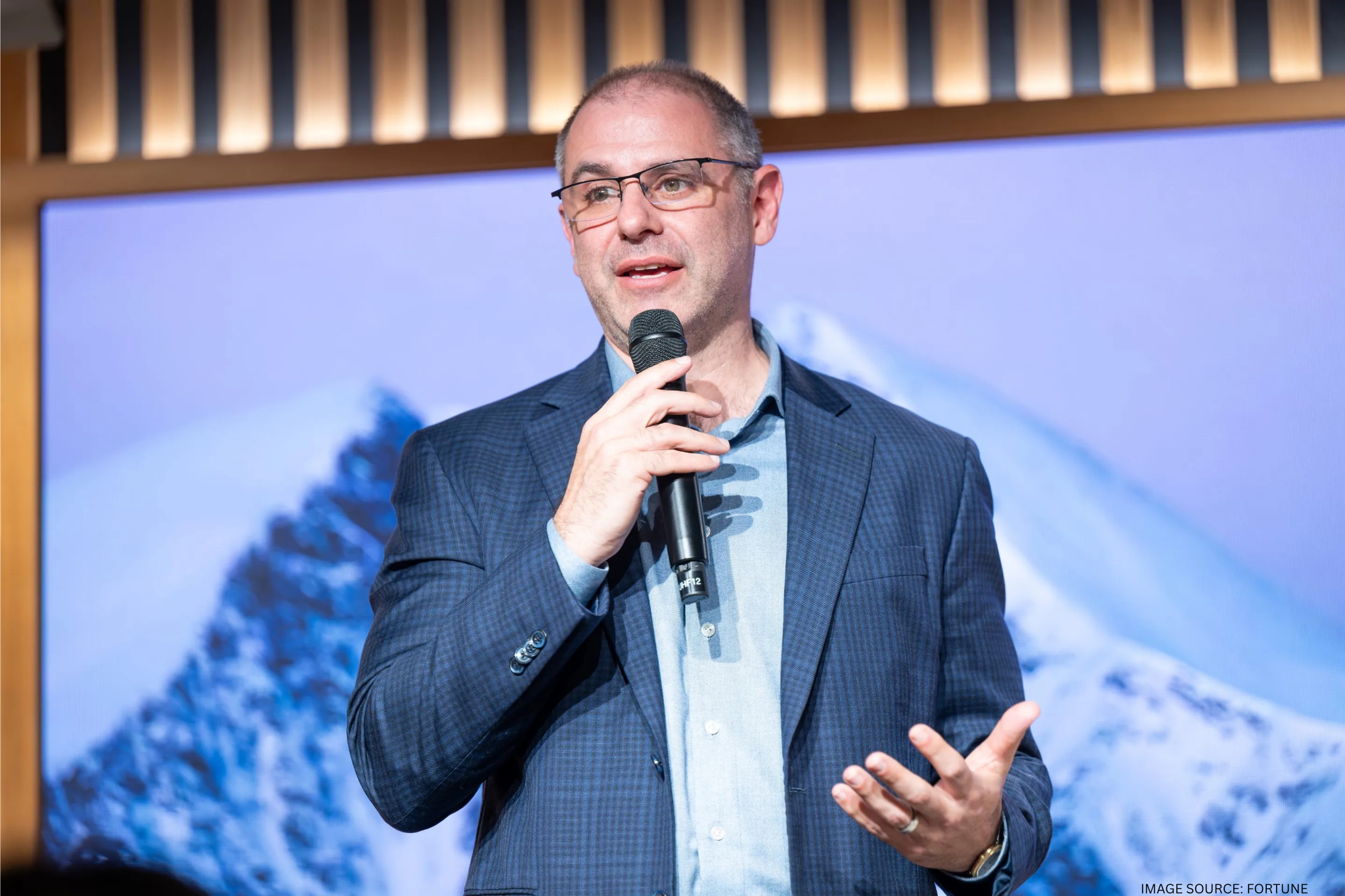
LinkedIn’s Bold AI Bet: Dan Shapero Steps In as Jobs Face a Digital Shake-Up
In a move that signals a major shift in the future of work, LinkedIn has appointed Dan Shapero as its new CEO—right at a time when artificial intelligence is rewriting the rules of employment faster than most of us can keep up. The timing isn’t just interesting—it’s strategic.
For those who may not have followed LinkedIn’s leadership closely, Shapero isn’t an outsider stepping into unfamiliar territory. He’s been with the company for years, shaping its product strategy and helping scale its business globally. In many ways, this transition feels less like a disruption and more like a calculated evolution. But let’s be honest—the stakes have never been higher.
We are living in an era where AI disruption, job automation, and future of work aren’t just buzzwords anymore—they’re realities affecting millions. From content creation to customer support, artificial intelligence is steadily eating into roles that once seemed untouchable. And LinkedIn, as the world’s largest professional network, sits right at the center of this transformation.
Shapero’s appointment raises an important question: Is LinkedIn preparing to become more than just a job platform?
If you ask me, the answer is yes.
Over the past few years, LinkedIn has already begun integrating AI into its ecosystem—think smarter job recommendations, AI-powered resume tools, and personalized content feeds. But under Shapero’s leadership, we can expect this to go several steps further. The platform may evolve into a full-fledged career intelligence hub, where AI doesn’t just help you find jobs—it helps you stay relevant.
And that’s exactly what professionals are worried about today.
There’s a growing anxiety around job security. With headlines constantly talking about layoffs and automation, users are turning to platforms like LinkedIn not just for opportunities, but for direction. They want to know: What skills should I learn? Am I replaceable? Where is my industry heading?
This is where Shapero’s challenge lies—not just in growing LinkedIn’s business, but in making it a trusted guide in uncertain times.
From a personal standpoint, I think LinkedIn has a massive opportunity here. Instead of being reactive to AI trends, it can lead the conversation. Imagine a platform that not only connects you to recruiters but actively mentors you using AI—suggesting career pivots, identifying skill gaps, and even simulating interview scenarios in real time.
Of course, there’s a flip side.
As AI becomes more embedded into LinkedIn’s core, concerns around data privacy, algorithm bias, and over-automation will also grow. Users don’t just want smarter tools—they want transparent ones. Shapero will need to balance innovation with trust, something many tech leaders struggle with.
In the bigger picture, this leadership change reflects a broader shift across the tech industry. Companies are no longer just competing on features—they’re competing on how well they can adapt to AI disruption while keeping human value intact.
Dan Shapero’s LinkedIn journey is now entering its most defining chapter. Whether he turns the platform into a career lifeline in the age of AI—or just another tech tool—will depend on the choices he makes in the coming months.
One thing is certain: the future of jobs is changing. And LinkedIn just placed its bet.




Post Comment