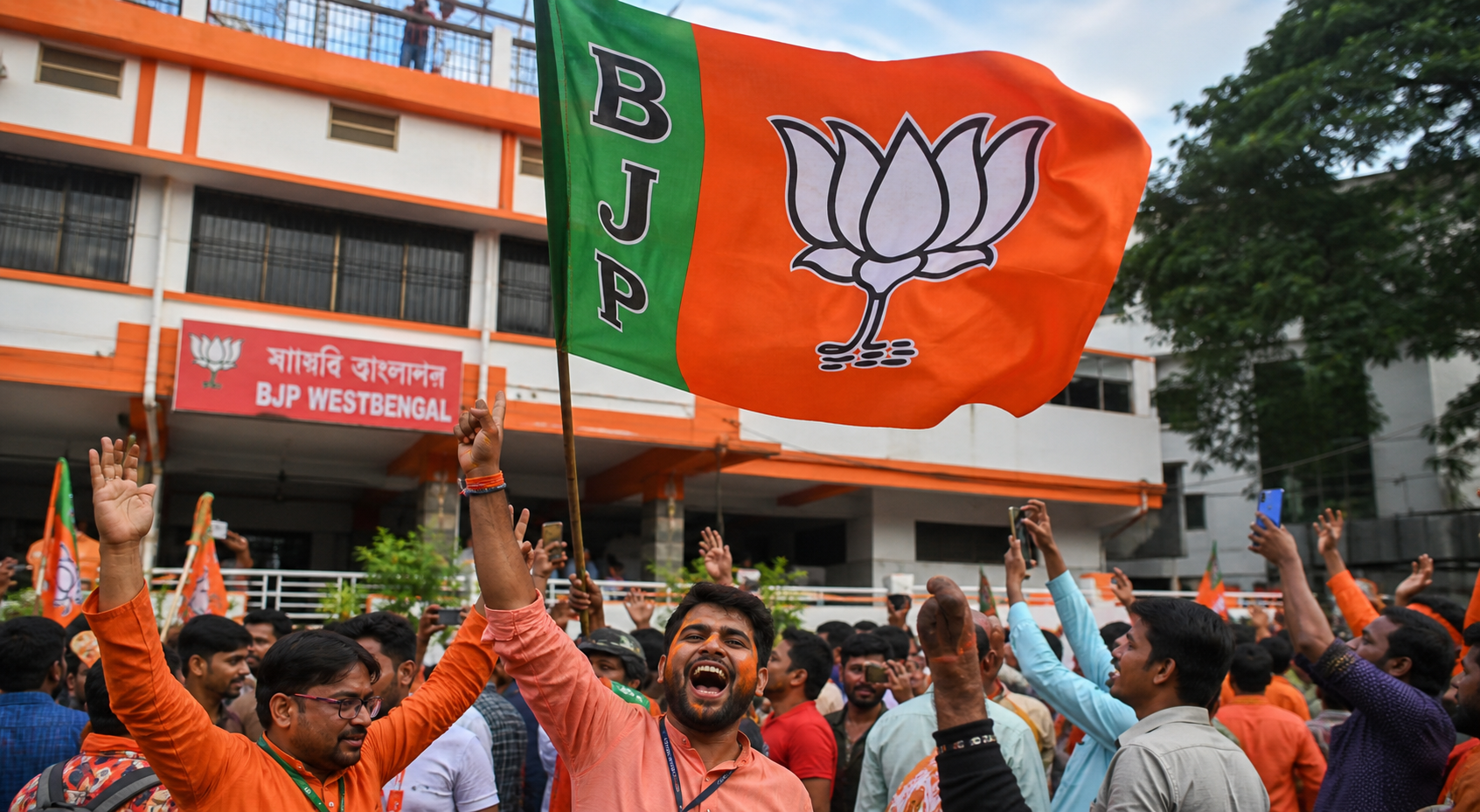
BJP Storms Bengal, Redefining the Political Landscape of West Bengal
In what many political experts are already calling one of the biggest upsets in recent Indian political history, the Bharatiya Janata Party (BJP) has secured a stunning victory in West Bengal, marking a massive shift in the state’s long-established political narrative.
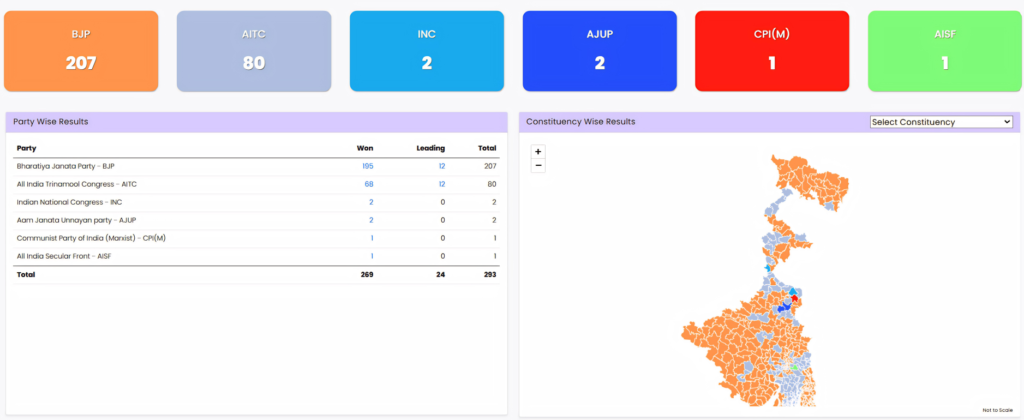
For decades, West Bengal has been known for fiercely independent political choices and a voter base that rarely follows national trends blindly. That is exactly why this BJP victory feels bigger than just an election result—it signals a changing mindset among millions of Bengali voters.
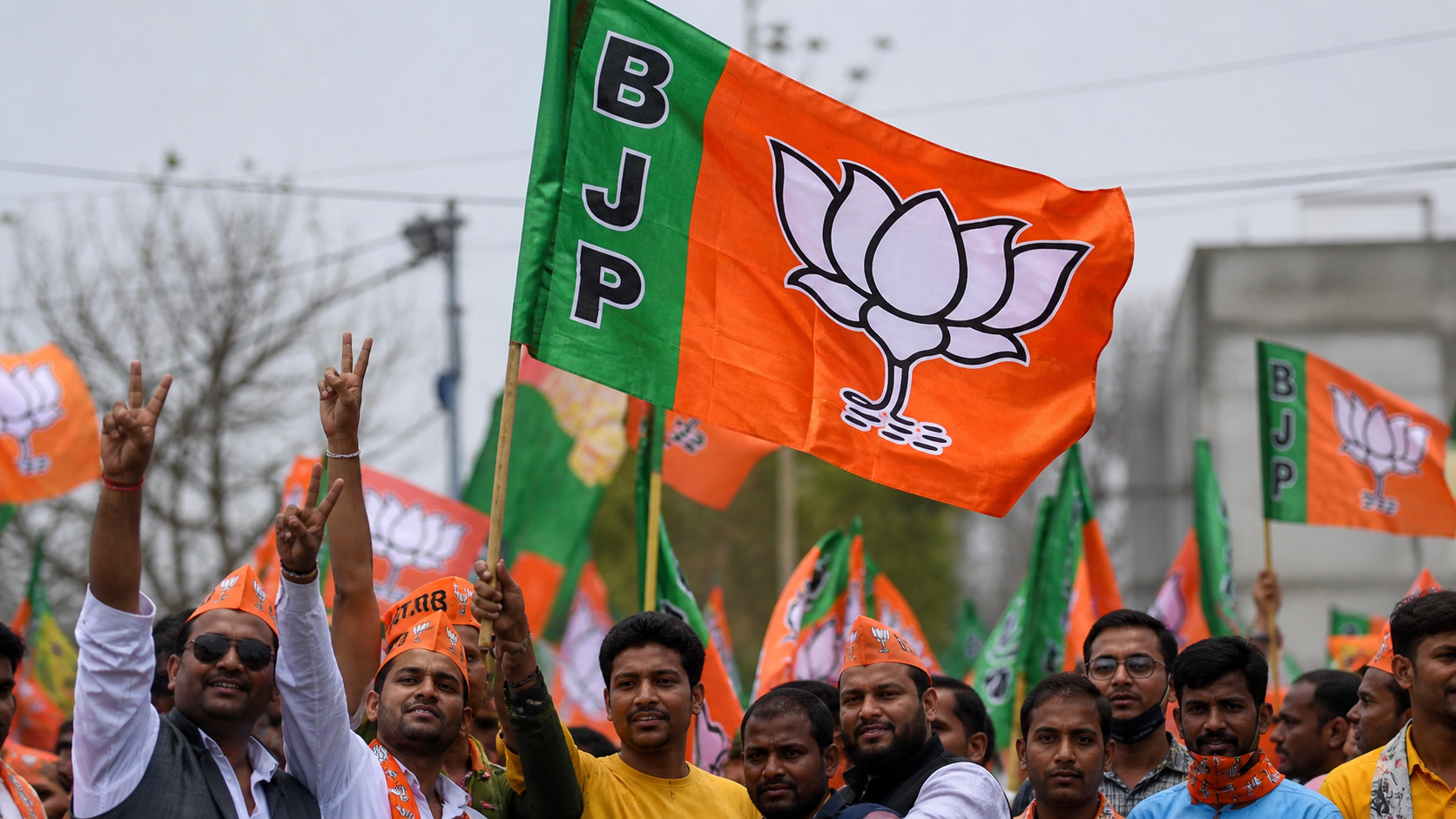
The atmosphere across several districts turned electric as counting trends began heavily favoring BJP candidates. Party workers flooded streets with saffron flags, chants, drumbeats, and victory marches. Social media platforms such as X, Instagram, and Facebook quickly exploded with hashtags like #BJPWinsBengal, #WestBengalElection2026, and #PoliticalEarthquake.
Political analysts believe this victory did not happen overnight.
BJP has been strategically strengthening its organizational presence in Bengal for years. From booth-level expansion to aggressive digital campaigns, grassroots mobilization, youth outreach, and targeted welfare messaging, the party appears to have built a long-term political machine in the state.
A major factor behind this outcome seems to be voter demand for change.
Across urban and semi-urban constituencies, conversations among voters increasingly revolved around employment opportunities, industrial growth, infrastructure, law and order, and governance reforms. Many first-time voters reportedly leaned toward BJP, viewing the party as a vehicle for economic development and stronger national integration.
Personally, what stands out most is not merely BJP’s numbers, but the symbolism of this result.
West Bengal has always held emotional and strategic importance in Indian politics. Winning here is not just about seats—it is about narrative control. Bengal is culturally influential, politically vocal, and nationally significant. Any party gaining dominance in this state instantly changes the national power equation.
Supporters of BJP are celebrating this as proof of the party’s growing footprint beyond traditional strongholds.
Senior BJP leaders described the result as a “people’s mandate for development, stability, and new aspirations.” Party headquarters witnessed grand celebrations, with leaders thanking voters and promising rapid implementation of development-focused policies.
Meanwhile, opposition parties now face serious introspection.
The defeat raises difficult questions about campaign strategy, voter connect, leadership messaging, and ground-level mobilization. Analysts suggest opposition parties underestimated both BJP’s organizational discipline and the evolving expectations of younger voters.
On the business front, market observers are also closely monitoring the outcome.
A politically aligned state-centre relationship is often seen as favorable for faster project approvals, industrial investments, logistics expansion, and infrastructure development. Sectors such as manufacturing, ports, steel, IT parks, and startups could particularly benefit if policy execution remains smooth.
Globally too, this election has attracted attention.
International media outlets have begun covering the result as a major indicator of India’s evolving political landscape. With India positioned as a rising global power, state elections in politically significant regions increasingly attract worldwide interest.
But beyond headlines, the real test begins now.
Election victories generate momentum, but governance defines legacy. Citizens will expect visible improvements in jobs, roads, healthcare, education, investment climate, and public administration. The excitement is real, but expectations are even higher.
For many observers, this victory feels like a chapter-ending moment in Bengal politics.
Whether one supports BJP or not, it is difficult to deny the scale of this development. West Bengal has spoken, and its message is loud enough to be heard across India—and perhaps far beyond.
One thing is certain: Indian politics just got even more interesting.

Post Comment