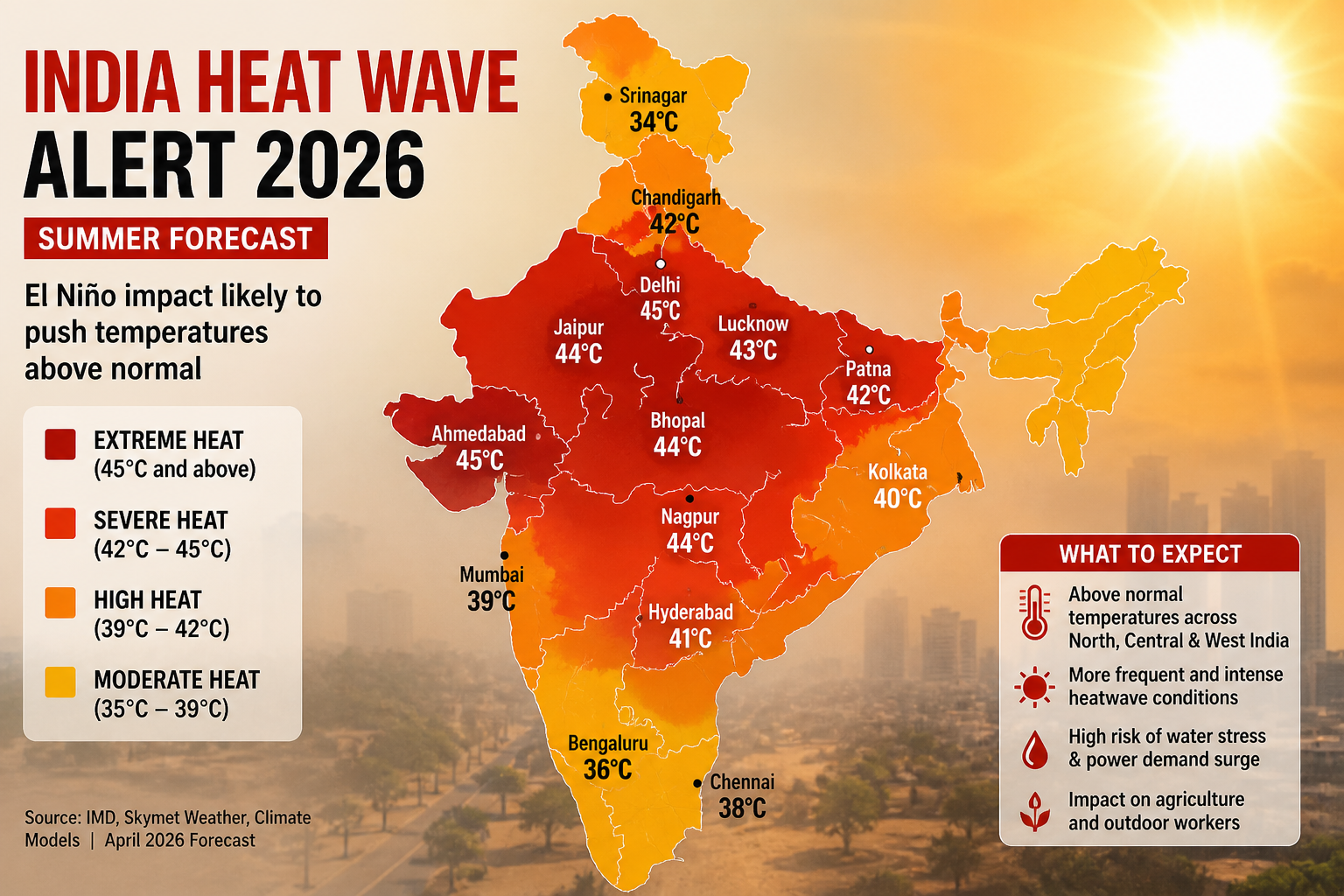
El Niño Puts India on Edge as Summer 2026 Turns Brutal
Summer in India has always been intense, but 2026 feels different. The heat isn’t just uncomfortable anymore—it feels personal. Streets are emptier by noon, air conditioners are working overtime, and conversations across the country have shifted from politics and cricket to one pressing issue: How hot will it get?
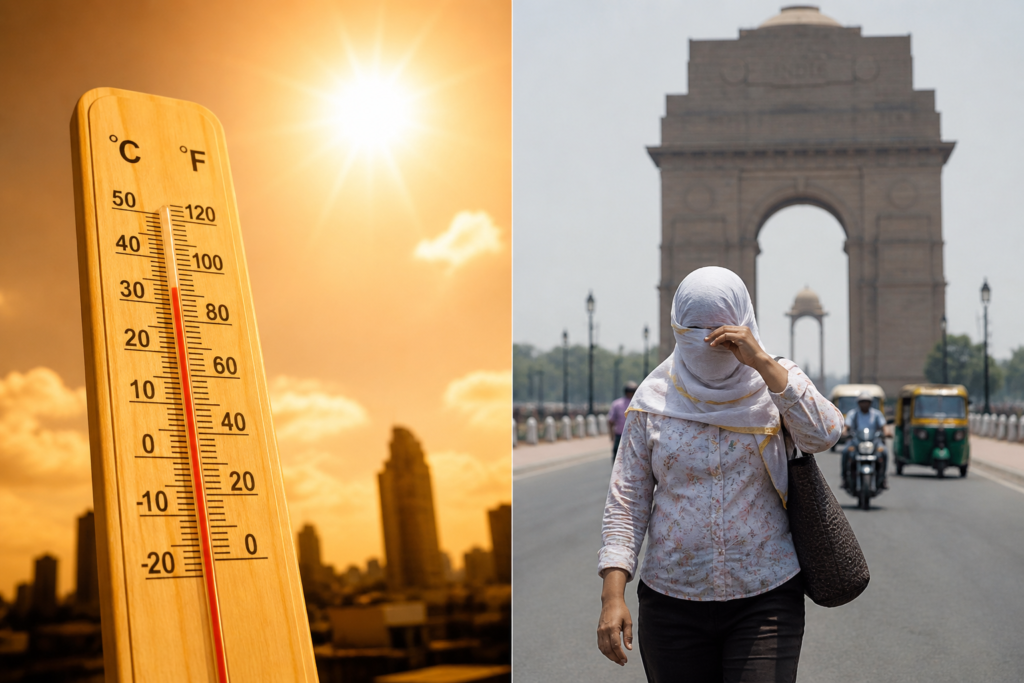
The biggest reason behind this rising anxiety is El Niño, the global climate phenomenon that has once again started influencing weather patterns across Asia. For India, this usually means one thing—higher temperatures, severe heatwaves, lower rainfall, and increased pressure on water resources.
Meteorologists and climate experts are closely tracking the Pacific Ocean warming patterns that define El Niño. Though it begins thousands of kilometers away, its impact on India can be dramatic. States across northern, central, and western India are expected to witness above-normal temperatures during peak summer months.
Cities like Delhi, Jaipur, Ahmedabad, Nagpur, and parts of Uttar Pradesh and Bihar may experience multiple heatwave spells, with temperatures likely crossing dangerous thresholds. For millions of outdoor workers, farmers, delivery agents, construction workers, and daily wage earners, this isn’t just weather news—it is a direct economic and health threat.
Heatwaves Becoming the New Normal
What makes Summer 2026 alarming is not just the heat itself, but how frequently extreme temperatures are returning.
India has seen a visible rise in heatwave days over the past decade. Climate change has already pushed weather systems into instability, and El Niño acts like fuel on an already burning fire.
Personally, what feels most worrying is how normal society has started treating extreme weather. A 45°C day now barely shocks anyone. That should concern all of us.
Schools are revising timings. Hospitals are preparing for dehydration and heatstroke cases. Power demand is surging as households depend heavily on cooling systems.
The irony is hard to ignore: the more cooling we need, the more electricity we consume, often increasing emissions and worsening the long-term climate crisis.
Agriculture and Monsoon Concerns Rising
El Niño is not just about a hotter summer. Its shadow often stretches into India’s monsoon season.
Historically, El Niño years have been linked to weaker or delayed monsoons, though not always uniformly. A disrupted monsoon can directly impact crop production, especially rice, pulses, sugarcane, and oilseeds.
Farmers are already watching forecasts with caution. A delayed monsoon means delayed sowing. Lower rainfall means irrigation dependency rises. Rural incomes can take a hit, which eventually impacts inflation and food prices nationwide.
If summer remains excessively dry and monsoon onset gets delayed, India could face a combined challenge of heat stress, water scarcity, and agricultural uncertainty.
Urban India Faces Water and Power Pressure
Major Indian cities are particularly vulnerable during El Niño summers.
Water shortages are already a seasonal crisis in several urban regions. With reservoir levels under stress and groundwater depletion worsening, 2026 could push city infrastructure harder than expected.
Power grids will also remain under pressure due to record-breaking electricity demand.
In practical terms, this means:
- Higher electricity bills
- Increased risk of outages
- Water rationing in some cities
- Rising demand for cooling appliances and bottled water
For middle-class households, summer becomes expensive. For low-income communities, it becomes exhausting.
Can India Be Better Prepared?
India is no stranger to extreme summers, but preparedness still feels reactive rather than preventive.
Heat action plans, public cooling shelters, hydration awareness campaigns, and better urban planning are no longer optional. They are essential.
This summer should serve as a warning bell.
El Niño may be a natural climate cycle, but its effects are being amplified by human-driven climate change. That combination is what makes Summer 2026 especially concerning.
As temperatures climb, one thing is becoming clearer: India’s weather future is changing faster than public systems are adapting.
And perhaps the biggest question this summer is not whether India can survive another heatwave season—it probably can.
The real question is: for how long can extreme heat remain a seasonal inconvenience before it becomes a national emergency?

Post Comment