
Explosive Exit: Trump’s Counterterror Chief Quits, Blames Israel Pressure for Iran War
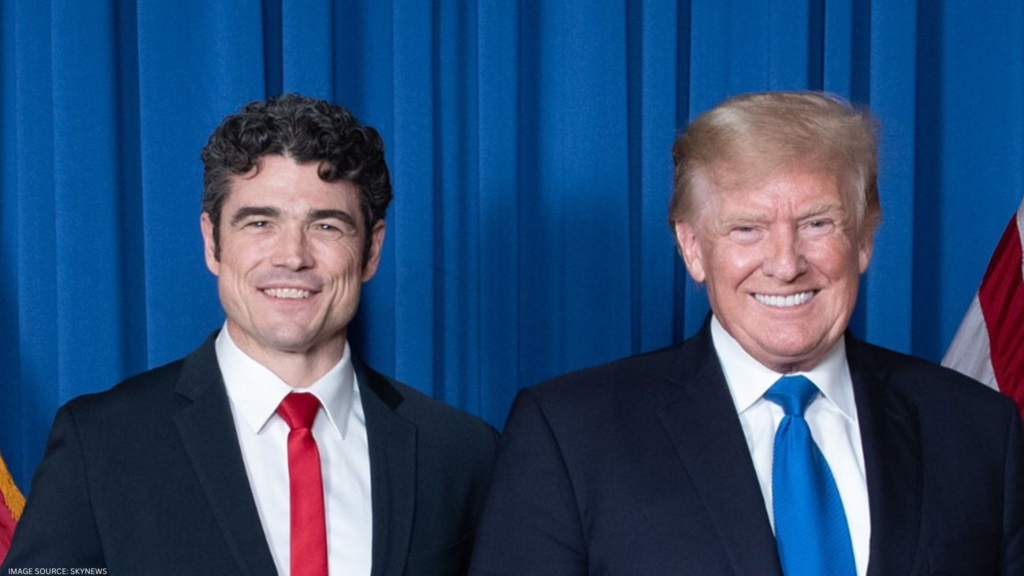
In a dramatic development that has shaken Washington and intensified global debate, a top U.S. national security official has resigned, alleging that the United States entered the ongoing Iran conflict under pressure from Israel. The resignation has exposed deep divisions within the administration and raised serious questions about the justification behind the war.
High-Profile Resignation Sparks Political Storm
Joe Kent, Director of the National Counterterrorism Center, stepped down from his position on March 17, 2026. His resignation marks the first major internal break within the Trump administration since the escalation of the Iran war.
In his resignation letter, Kent stated that he could no longer support the military campaign, claiming that Iran posed “no imminent threat” to the United States. He further alleged that the decision to go to war was influenced heavily by Israeli pressure and lobbying efforts.
Allegations of External Influence
Kent’s most controversial claim was that the U.S. was drawn into the conflict due to influence from Israel and its allies. He suggested that misinformation and political pressure played a significant role in shaping the administration’s decision-making.
This assertion has ignited widespread debate across political circles, with critics questioning whether U.S. foreign policy is being overly influenced by its allies. Supporters of Kent argue that his resignation reflects integrity and a commitment to transparency, while others have strongly rejected his claims as unfounded and dangerous.
Trump Administration Pushes Back
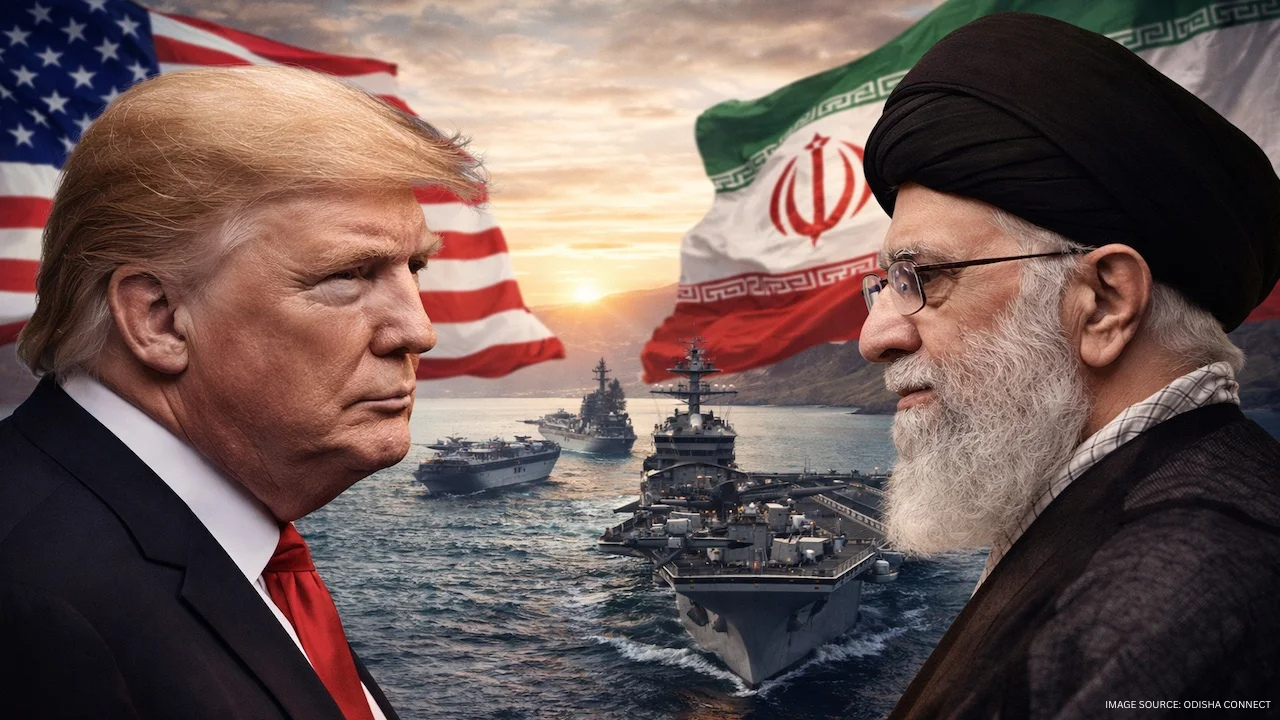
Donald Trump quickly dismissed Kent’s allegations, calling him “weak on security” and defending the decision to strike Iran. The White House maintained that the military action was based on credible intelligence indicating an imminent threat from Tehran.
Officials reiterated that the war was necessary to counter Iran’s nuclear ambitions and regional aggression. They also rejected the idea that Israel played a decisive role in pushing the U.S. into conflict.
Deepening Divisions in Washington
Kent’s resignation has exposed growing fractures within the U.S. government, particularly between interventionist policymakers and those advocating for a more restrained foreign policy.
Some lawmakers and analysts have supported Kent’s concerns, arguing that there was insufficient evidence to justify military action. Others, however, have criticized him, pointing to his controversial political background and accusing him of undermining national security during a critical time.
The resignation has also reignited comparisons to past conflicts, particularly the Iraq War, where intelligence failures and external influences were heavily scrutinized.
Global Impact and Rising Tensions
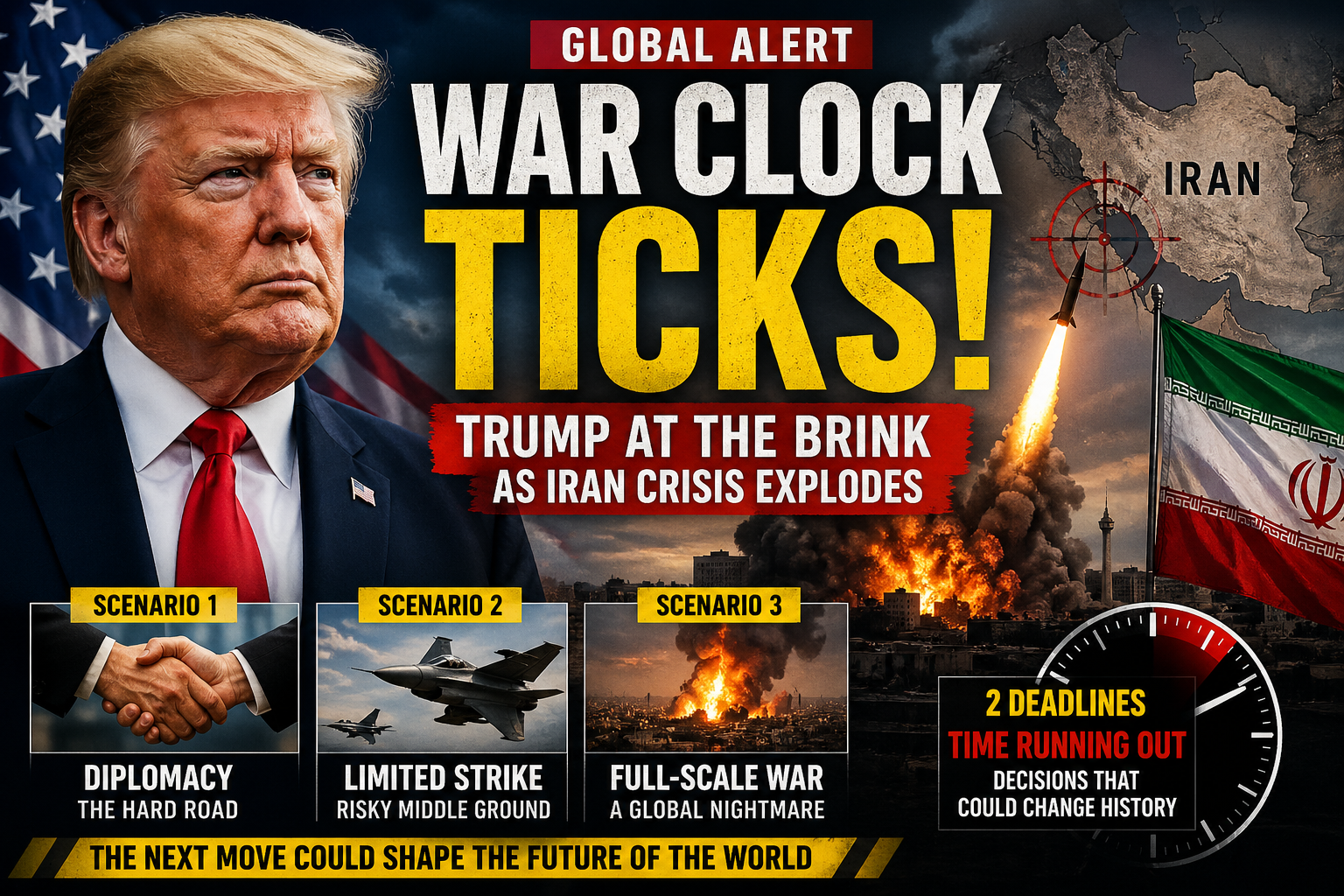
The Iran war, now entering its third week, has already resulted in significant casualties and displacement across the Middle East. The conflict has disrupted global oil markets and heightened geopolitical tensions, with fears of further escalation looming large.
Kent’s departure adds another layer of uncertainty, as it signals internal disagreement at the highest levels of U.S. intelligence and security leadership.
Why This Matters? US Iran War, Trump Iran Policy, Israel Influence, Middle East Conflict 2026
This development is crucial not only for U.S. domestic politics but also for global stability. The controversy touches on several key issues:
- U.S.–Israel relations and their influence on foreign policy
- Justification for military intervention in Iran
- Internal dissent within the Trump administration
- Global economic impact, especially oil prices
- Rising Middle East tensions in 2026
What’s Next?
As the war continues, all eyes are now on Washington and its next moves. Will more officials follow Kent’s lead? Will Congress demand further scrutiny of the administration’s decision?
One thing is clear: this resignation has transformed the narrative around the Iran conflict. What began as a military operation is now a political and diplomatic controversy with global implications.
The coming weeks will be critical in determining not just the future of the war, but also the credibility of U.S. foreign policy on the world stage.


Post Comment